
Protect your investment and get back to enjoying your pool safely with expert guidance from Splash Pools and Spas.
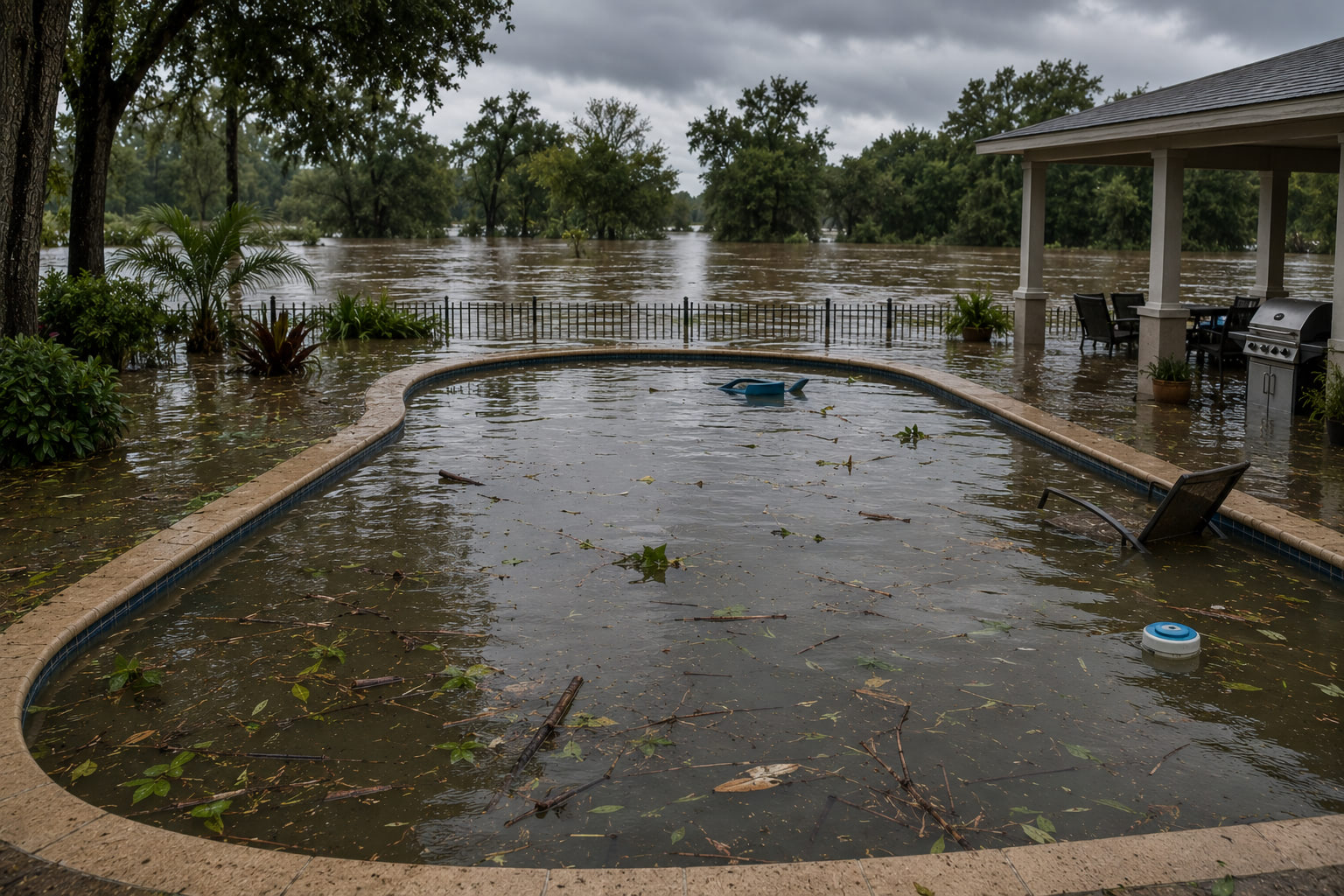
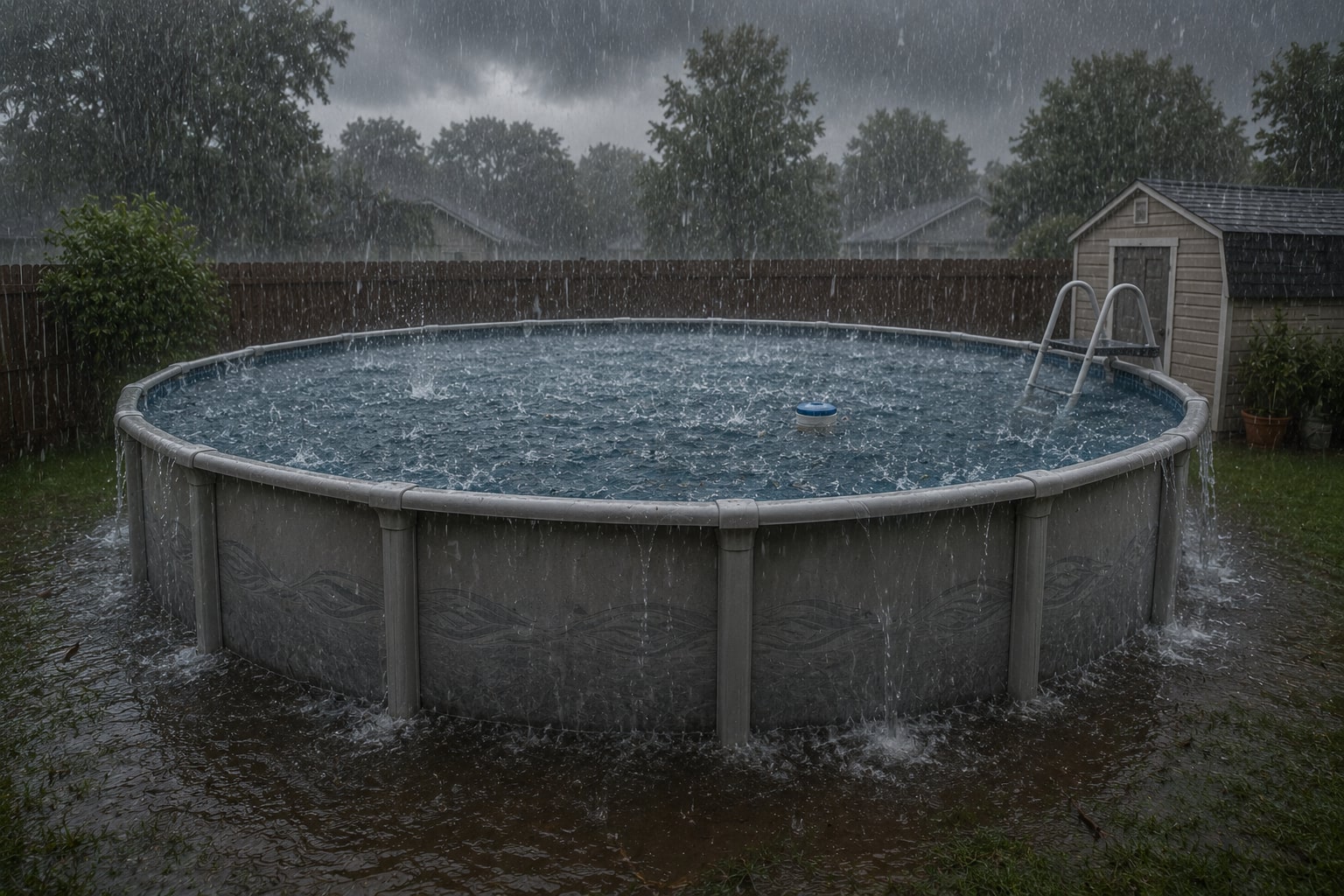
Heavy rains are a fact of life in Louisiana and Florida. Whether it’s a tropical storm, hurricane, or an afternoon downpour that won’t quit, excessive rainfall can quickly turn a beautiful swimming pool into a murky, contaminated mess. Floodwaters often carry dirt, debris, bacteria, fertilizers, and other pollutants that can affect water quality and damage pool equipment.
If your pool has experienced flooding, taking the right steps immediately can help prevent costly repairs and ensure your pool is safe for swimming again.
Step 1: Keep Swimmers Out of the Pool
After a flood event, it’s important to assume the water is contaminated. Floodwater can introduce harmful bacteria, sewage, chemicals, and debris into your pool.
Do not allow anyone to swim until the water has been properly cleaned, balanced, and tested.
Step 2: Remove Large Debris
Once weather conditions are safe, begin removing leaves, branches, trash, and other debris from the pool.
Use:
- A leaf net or skimmer
- A pool vacuum designed for heavy debris
- Protective gloves when handling unknown materials
The sooner debris is removed, the easier it will be to restore water quality.
Step 3: Check the Pool Structure and Equipment
Before restarting your system, inspect your pool and equipment for damage.
Look for:
- Cracks in the pool shell or deck
- Loose coping or tile
- Damaged skimmer lids
- Flooded equipment pads
- Electrical damage to pumps, heaters, or automation systems
If equipment has been submerged, contact a pool professional before powering it on. Electrical components can be dangerous and may require inspection or replacement.
Step 4: Lower the Water to the Proper Level
Heavy rains often cause pools to overflow. If the water level is above the skimmer opening, carefully lower it to the recommended operating level.
Avoid draining too much water, especially in Louisiana and Florida where high groundwater levels can create pressure beneath the pool. Excessive draining can potentially damage the structure.
If you’re unsure how much water to remove, contact the Splash Pools and Spas team for guidance.
Step 5: Clean or Backwash the Filter
Your filtration system will be working overtime after a flood.
Depending on your filter type:
Sand Filters
Backwash thoroughly until the water runs clear.
Cartridge Filters
Remove and clean cartridges according to manufacturer recommendations.
DE Filters
Backwash and recharge with fresh DE powder as needed.
Flood-related debris can quickly clog filters and reduce circulation, making cleanup take longer.
Step 6: Brush and Vacuum the Pool
Floodwater often leaves behind sediment on pool walls and floors.
Be sure to:
- Brush all pool surfaces
- Vacuum settled debris
- Pay special attention to corners, steps, and ledges
This helps prevent staining and improves circulation throughout the cleanup process.
Step 7: Test and Balance the Water
Flooding can dramatically alter pool chemistry. Rainwater dilutes sanitizer levels and can affect pH, alkalinity, and calcium hardness.
Test and adjust:
- Free Chlorine
- pH
- Total Alkalinity
- Calcium Hardness
- Cyanuric Acid (Stabilizer)
Because floodwater may introduce significant contamination, standard balancing may not be enough.
Step 8: Shock the Pool
A heavy chlorine shock treatment is often necessary after flooding.
Superchlorination helps:
- Kill bacteria and microorganisms
- Eliminate organic contaminants
- Restore water clarity
Allow the filtration system to run continuously during the recovery process and follow all safety guidelines regarding chlorine levels before swimming resumes.
Step 9: Run the Pool System Continuously
During cleanup, operate your pump and filtration system 24 hours a day until the water clears.
Continuous circulation helps:
- Remove suspended particles
- Distribute chemicals evenly
- Speed up recovery
Depending on the severity of flooding, full recovery may take several days.
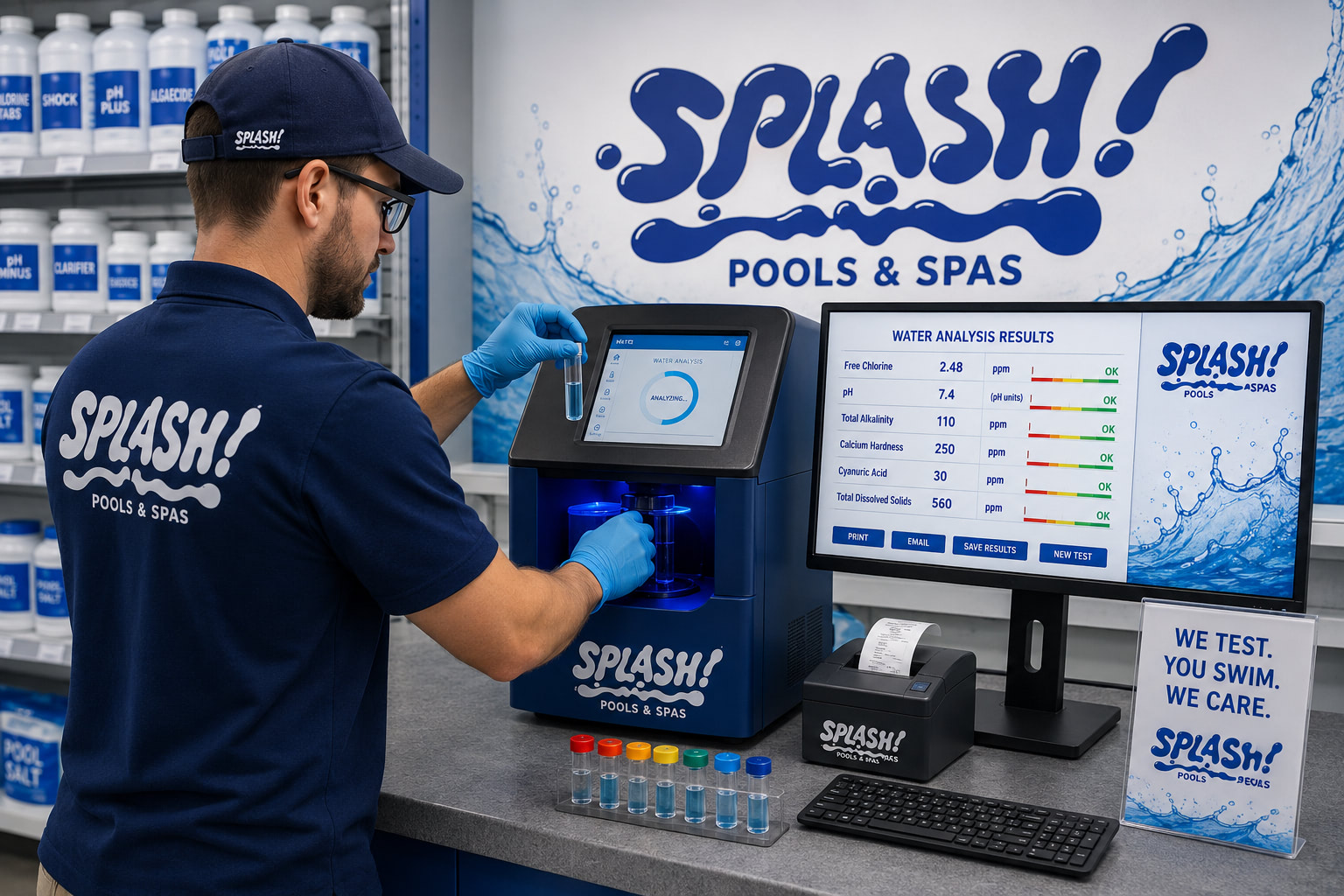
Step 10: Get the water tested by a professional
After significant flooding, professional water testing can identify issues that may not be immediately visible.
A comprehensive inspection can evaluate:
- Water chemistry
- Bacteria
- Filtration efficiency
- Potential storm-related water issues
Early detection can prevent larger and more expensive problems down the road.
Protect Your Pool Before the Next Storm
While no pool is completely immune to severe weather, proper preparation can reduce flood-related damage.
Before major storms:
- Lower the water level slightly (but do not drain the pool)
- Secure outdoor furniture and loose items
- Clean skimmer baskets
- Ensure drainage systems are functioning properly
- Keep emergency pool supplies on hand
Trust Splash Pools and Spas for Expert Pool Care
From Louisiana’s Gulf Coast communities to pool owners throughout Florida, Splash Pools and Spas understands the unique challenges that heavy rains, tropical storms, and hurricanes can bring.
Whether you need help with water balancing, algae issues, parts, or replacement equipment. Splash is the place for expert advice.
Bring your water sample to any Splash Pools and Spas for your computerized analysis and keep your pool clean, safe, and ready for sunny days ahead.
USE THIS COUPON TO HELP OUT AFTER THE FLOODING, COURTESY OF THE SPLASH TEAM!
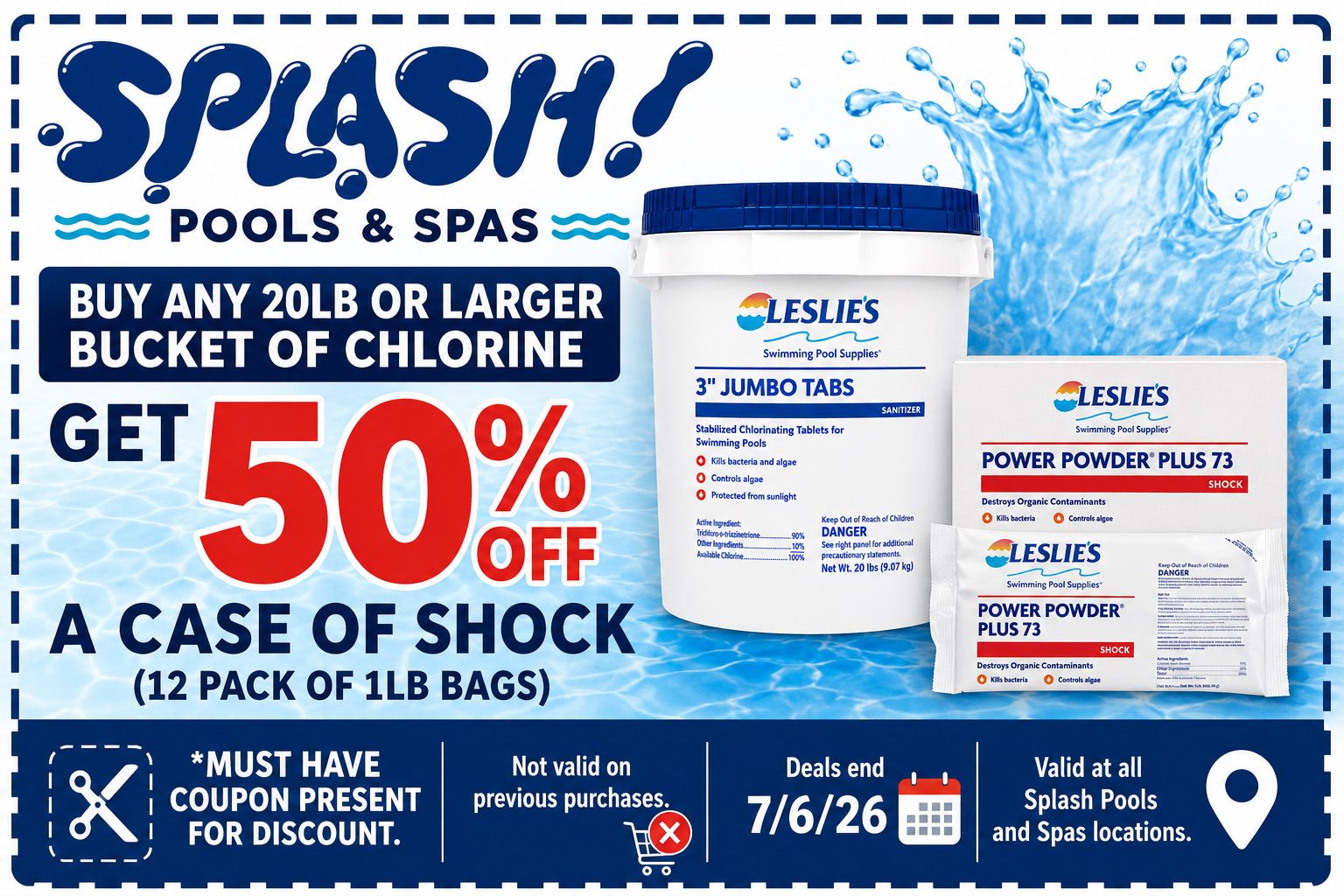
SHOW IT FROM YOUR SMARTPHONE OR PRINT IT OUT AND BRING IT TO YOUR NEIGHBORHOOD SPLASH POOLS AND SPAS.